Early Intervention

Clinical Condition Overview 

Brief summary  

  • Early Intervention (EI) is a family-centered service model designed to support infants and toddlers (birth–3 years) who have developmental delays or are at risk for delays. EI focuses on enhancing a child’s participation in daily routines, such as: play, feeding, communication, and mobility. By empowering caregivers with strategies they can use throughout the day. Services are delivered in natural environments (home, daycare, community settings) and emphasize coaching, functional skill-building, and strengthening caregiver and child interactions. The primary goal of EI is to promote optimal development and prevent future challenges by addressing needs as early as possible.

Signs and Symptoms

  • Delays in meeting developmental milestones (gross motor, fine motor, communication, social-emotional)
  • Difficulties with feeding, sleep, or self-regulation
  • Challenges with sensory processing (over- or under-responsiveness)
  • Limited play skills or difficulty engaging with caregivers
  • Reduced tolerance to transitions or changes in routine
  • Atypical muscle tone or movement patterns
  • Decreased attention, imitation, or purposeful exploration

Pathology/Onset

  • The condition may be present at birth, emerge during infancy, or result from complications such as prematurity, genetic conditions, neurological impairments, or environmental factors. Onset varies depending on the underlying diagnosis, but symptoms typically become more noticeable as developmental demands increase.

Role of Rehabilitation

  • OT
    • Supports participation in daily routines (feeding, dressing, play, sleep).
    • Addresses sensory processing, motor planning, fine motor skills, and self-regulation.
    • Guides caregivers in promoting engagement, purposeful play, and skill development.
    • Provides environmental and routine-based strategies.
  • PT
    • Promotes gross motor development (rolling, sitting, crawling, walking).
    • Improves posture, balance, muscle strength, and coordination.
    • Educates caregivers on positioning, handling, and mobility strategies.
    • Prevents secondary complications related to muscle tone or limited movement.
  • SLP
    • Supports language development, communication skills, and early social interaction.
    • Addresses feeding and oral-motor skills when relevant.
    • Provides caregiver coaching for responsive communication strategies.
    • Enhances pre-linguistic skills such as joint attention, imitation, and gesture use.
  •  

Evaluation

  • Parent interview and Occupational Profile (daily routines, priorities, strengths).
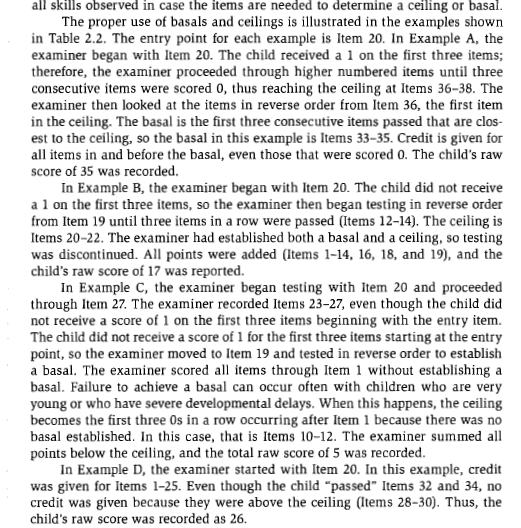
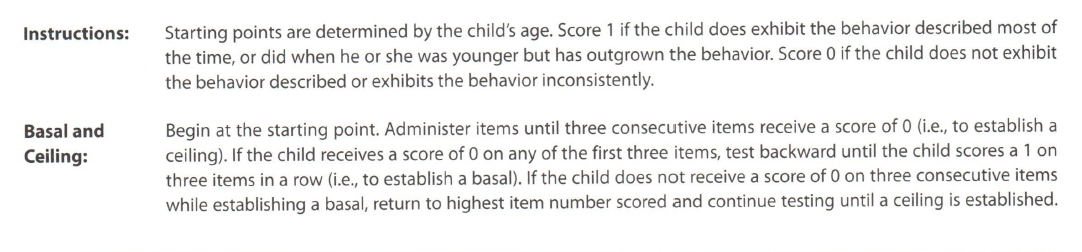
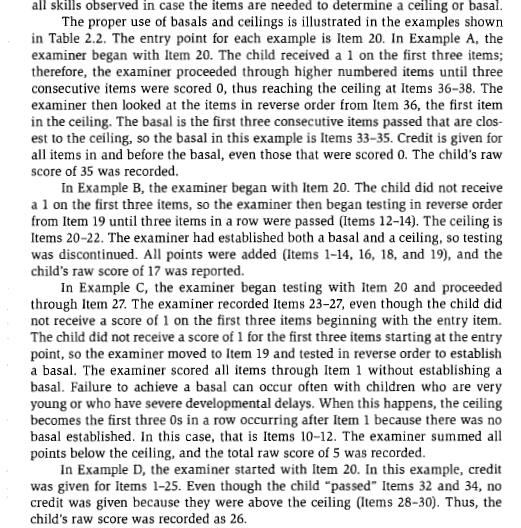
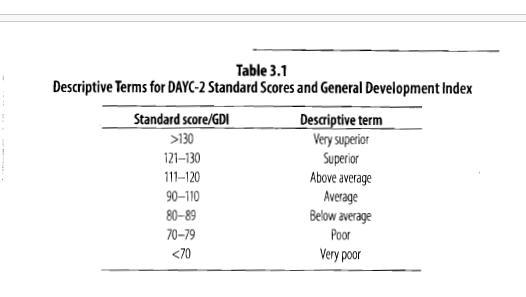
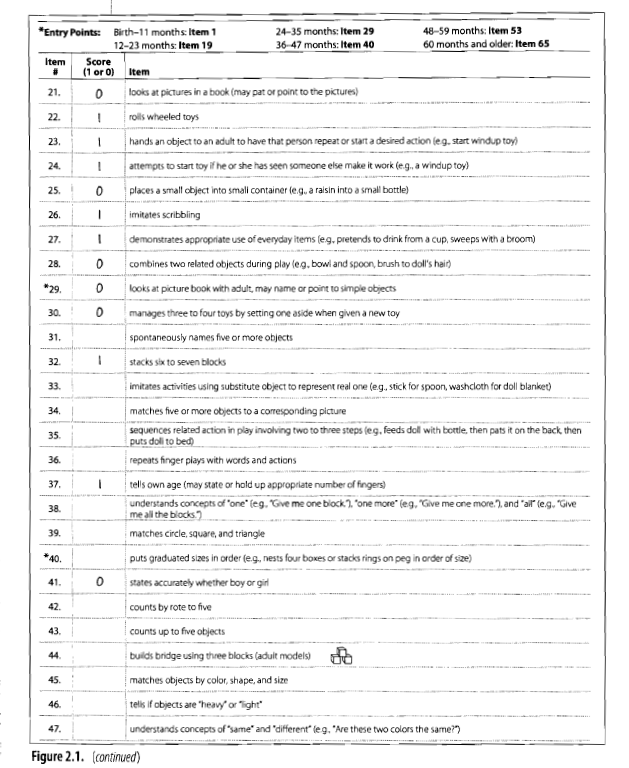
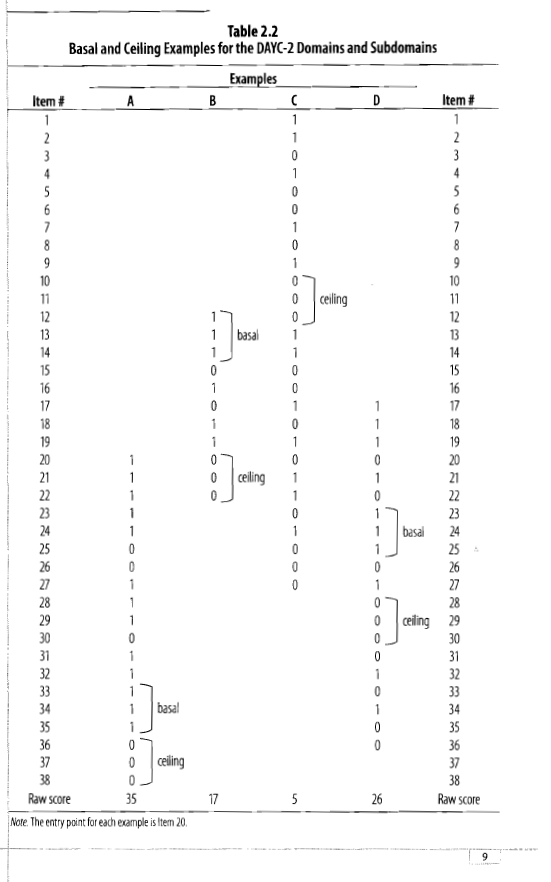
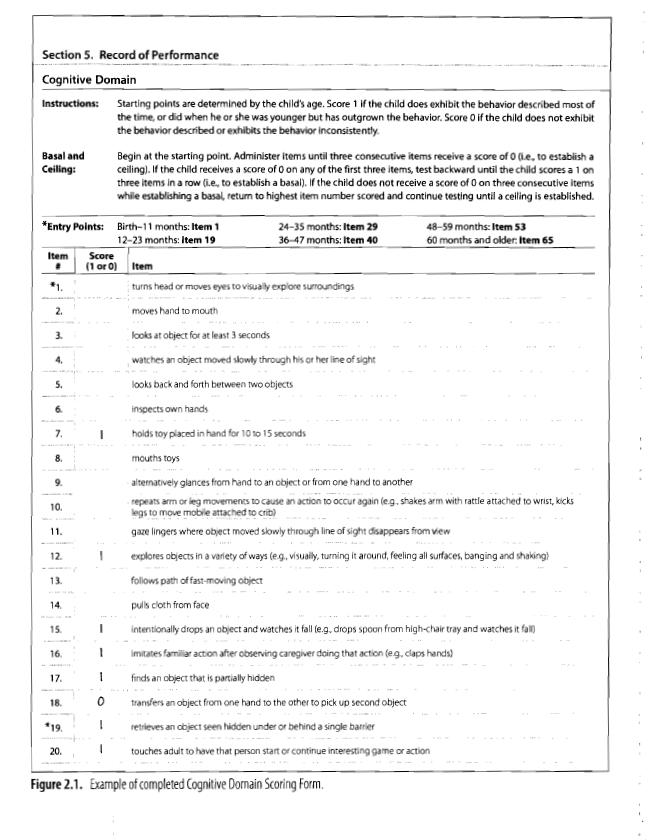
  • Standardized assessments (e.g., DAYC-2, PDMS-2, Bayley Scales if available).
  • Clinical observations during natural routines (play, feeding, mobility).
  • Assessment of sensory processing, fine/gross motor skills, communication, and social engagement.
  • Identification of environmental barriers/supports.

Treatment

  • Routine-based, family-centered interventions in natural environments.
  • Coaching caregivers to support skill practice throughout the day.
  • Play-based activities to promote developmental milestones.
  • Sensory strategies, motor learning approaches, and communication-rich routines.
  • Feeding interventions when appropriate (positioning, pacing, oral-motor skill building).
  • Collaboration across disciplines (OT/PT/SLP) for integrated care plans.

Helpful Resources 

References 

Subscribe to our monthly e-newsletter

Please enter your email address and get updates